
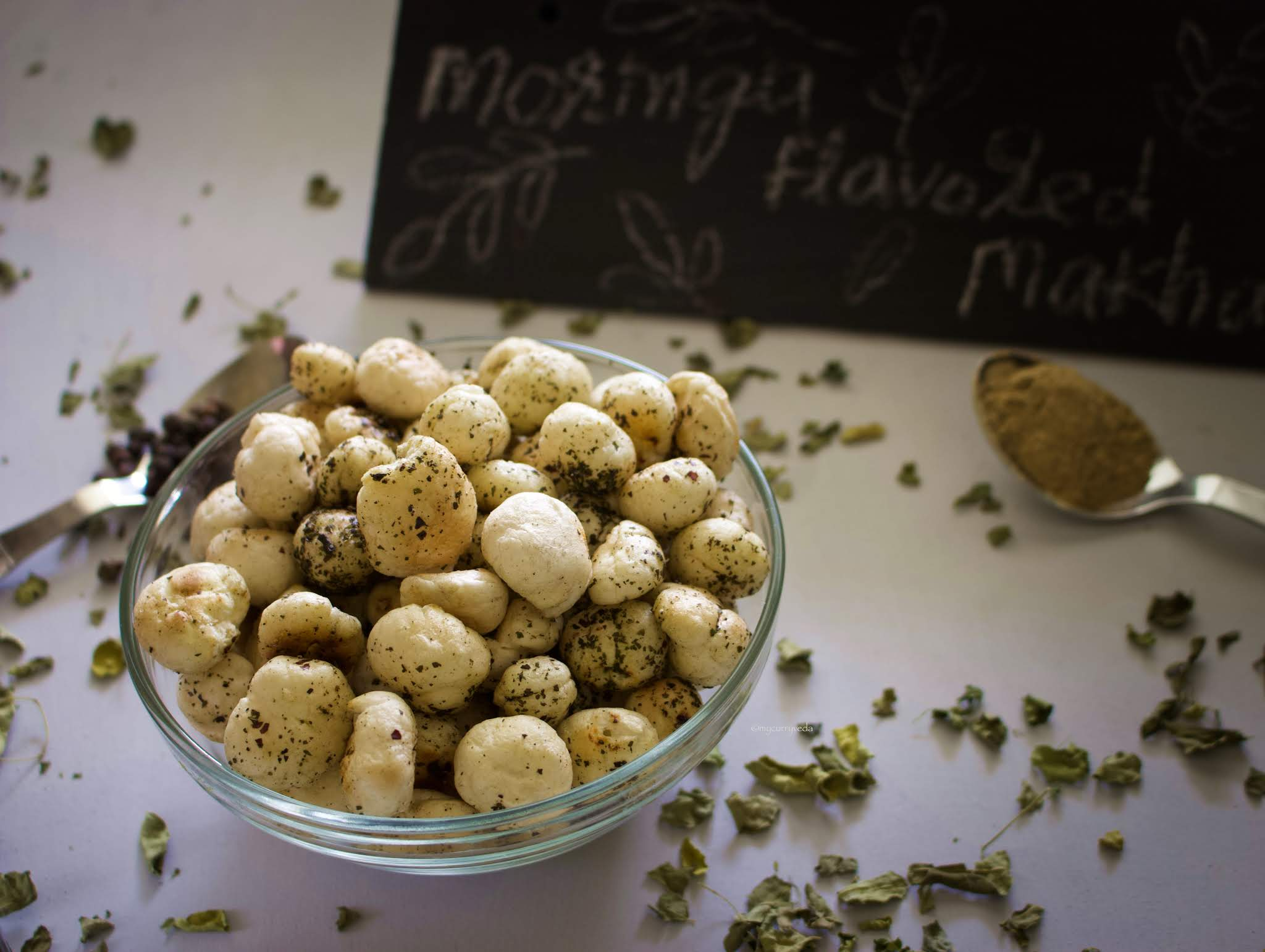
Lotus seeds contain calcium, magnesium, iron, and beneficial antioxidants that may support heart health and prevent chronic disease.
Makhana is a type of seed derived from the Euryale ferox plant. They’re also referred to as fox nuts or lotus seeds.
Makhanas are widely cultivated throughout Asia and are often used in traditional medicine to treat various conditions.
They’re also sometimes roasted and enjoyed as a savory snack or added to curries, side dishes, or desserts.
Here are 6 of the top benefits of makhana.
Rich in nutrients
Makhana is an excellent source of several important nutrients and makes a great addition to a healthy, well-rounded diet.
One cup (32 grams) of dried lotus seeds containsTrusted Source:
- Calories: 106
- Protein: 4.93 g
- Calcium: 52.2 mg
- Magnesium: 67.2 mg
- Phosphorus: 200 mg
- Potassium: 438 mg
- Iron: 1.13 mg
It contains a good amount of carbs in each serving and is rich in several vitamins and minerals, including calcium, magnesium, iron, and phosphorus.
Calcium, in particular, may help supportTrusted Source bone health, help reduce blood pressure, and decrease cholesterol levels.
Magnesium is necessary for a wide range of metabolic reactions in the body and is involved inTrusted Source protein synthesis, muscle contractions, nerve function, and more.
High in antioxidants
Makhana is rich in various antioxidants, which help neutralize harmful free radicals and prevent oxidative stress, which can cause cellular damage.
Antioxidants play a key role in several aspects of health and may help protect against chronic conditions that can result from oxidative stress, like heart disease, cancer, and type 2 diabetes.
Makhana contains specific antioxidants, includingTrusted Source:
- gallic acid
- ellagic acid
- epicatechin
Antioxidants can also help reduce inflammation, which could benefit inflammatory conditions, such as:
May help stabilize blood sugar levels
Eating makhana may help support better blood sugar management.
A 2023 study in mice found that administering germinated makhana seeds to mice with diabetes helped improve blood sugar regulation, increased several antioxidant enzymes, and benefited the mice’s kidney health.
A 2019 animal studyTrusted Source found that a specific compound isolated from makhana seeds improved blood sugar and insulin levels in rats with diabetes.
Note that these studies used highly concentrated amounts of makhana extract in animals.
More research is needed to determine how makhana, when consumed in typical amounts, may affect human blood sugar levels.
May support weight loss
Adding makhana seeds to your diet can help increase your intake of protein and fiber, two key nutrients that may benefit weight loss.
According to 2020 research, a high protein diet can help support weight loss. Getting enough protein in your diet can help reduce body weight, regulate appetite, and reduce food cravings.
Fiber is another nutrient that can help you feel fuller longer, as it takes longer to digest. It’s also important for regulating your bowel movements and supporting your digestive health.
Other studies, as discussed in a 2022 review of research, suggest that consuming a higher amount of fiber could be linked to weight loss and other health benefits, such as a reduced risk of cardiovascular disease, type 2 diabetes, and intestinal health.
Still, additional studies are needed to evaluate the effects of makhana specifically on weight loss.
May support skin health as you age
Some studies suggest that certain compounds found in makhana may reduce the appearance of wrinkles and support skin health as you age.
According to a 2018 review, makhana contains several amino acids that may help skin elasticity, including:
The body uses glutamine to produce proline, an amino acid found in collagen, a compound that supports skin hydration and elasticity.
Methionine and arginine are also involved in the production of creatine. According to a 2021 review of research, creatine used topically on the skin can help reduce wrinkles.
Makhana is likewise a good source of antioxidants, which can help promote skin health and slow signs of aging.
However, more research is needed, specifically on makhana’s effects on skin health.
May support heart health
Although human research is lacking, some animal studies suggest that makhana seeds may benefit heart health. The human body is more complex, so additional research is still needed to determine if makhana would benefit humans in a similar way.
One 2019 animal studyTrusted Source found that administering makhana extract to rats with nonalcoholic fatty liver disease for 4 weeks significantly reduced high cholesterol and triglyceride levels, both of which are common risk factors of heart disease.
Another animal study observed similar findings, noting that makhana extract improved cholesterol levels in mice with diabetes.
However, more studies are needed to determine how makhana may affect human heart health when enjoyed as part of a nutritious diet.
How to enjoy makhana
Although makhana isn’t as widely available as other nuts and seeds, you can find it at many specialty stores or online retailers.
It has a mild, neutral flavor that works well in various recipes.
One of the most popular ways to prepare makhana involves roasting the seeds and seasoning them with herbs and spices, such as sea salt, turmeric, chili powder, or black pepper.
It also makes a great addition to main courses, including curries or bhel puri, a dish made with puffed rice, peanuts, chutneys, and vegetables.
Alternatively, you can try mixing chopped and roasted makhana seeds into kheer, a type of rice pudding popular in India.
Nut allergy
If you have an allergy to nuts, it may be best to avoid makhana. While uncommon, allergic reactions are possible.
The bottom line
Makhana is a type of seed commonly used throughout Asia.
It’s rich in antioxidants, vitamins, and minerals, which may help slow the signs of aging and support heart health, blood sugar management, and weight loss.
It’s also versatile and easy to enjoy in many different recipes, including snacks, main dishes, and desserts.